

Your best work should win your next build.
For custom home builders in Montana, effective home builder marketing makes craftsmanship, process, and local experience visible before the first conversation. A finished home gets attention. Proof of how you built it earns trust.
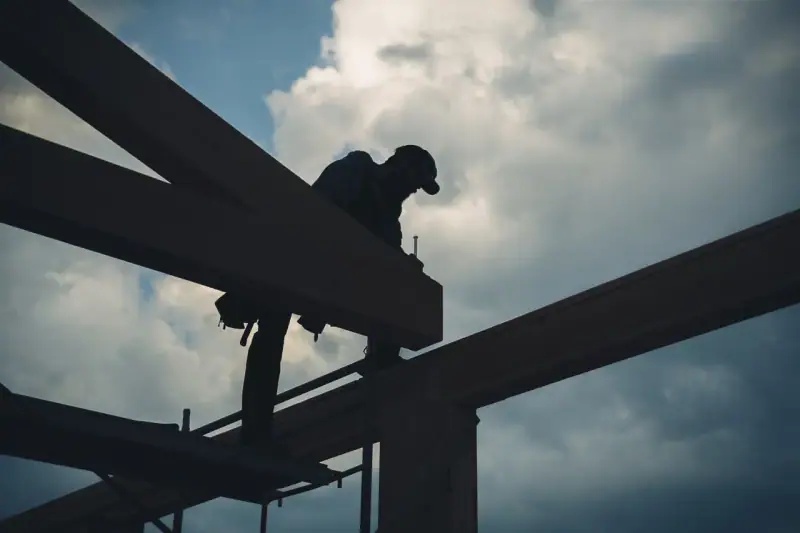
Start with the buyer, not the camera.
Your next homeowner is choosing who to trust with a major investment. They need to understand your standards, your communication, and your ability to handle the realities of their site. A beautiful portfolio is the start of that conversation, not the whole conversation.
Define the projects you want more of. Is your strength a complex mountain build, a carefully detailed infill home in Missoula, or a custom residence in the Bitterroot Valley? Describe the buyer, the project, and the problems your crew is equipped to solve. Specific positioning helps the right people recognize themselves.
Show the work a finished photo cannot.
The details that make a home perform are often hidden by the time the owner moves in. Document the foundation, framing, envelope, and coordination between trades. Pair those images with a clear explanation of what the viewer is looking at and why it matters.
Do not claim expertise with stock adjectives. Demonstrate it. Explain a drainage decision, the sequencing of a difficult delivery, or the care behind a finish detail. Use examples from your actual projects, with permission from the owner. A case study should identify the challenge, your approach, and the finished result.
For custom home builders in Montana, effective marketing makes craftsmanship, process, and local experience visible before the first conversation.
Build a website that answers real questions.
Give each major project a dedicated page with context, location when permitted, scope, and your role. Separate your services from your project gallery. Explain your process from initial consultation through completion without promising timelines you cannot control.
Make your service area explicit. Missoula, Hamilton, Stevensville, Kalispell, and Whitefish are not interchangeable markets. Write about the places you actually work and the experience you actually have. Avoid copying the same generic page for every town. Useful local detail matters more than repeating a city name.
Make one project work across the whole system.
Plan a shared capture schedule for photography, film, website stories, social content, and advertising. A milestone visit can create several useful assets without asking your superintendent to manage five separate vendors.
A brand story film introduces your people and philosophy. A project page provides depth. Short social edits keep the work visible. Ads direct qualified prospects to a relevant page, not an unrelated homepage. Every channel should support the same positioning.
Measure the conversations, not just the views.
Track where inquiries come from, whether the project fits your business, and which work the prospect mentions. Views and likes can tell you whether content is being seen. They do not tell you whether it is bringing the right buyer to the table.
In Montana, community trust and referrals remain real assets. Marketing should reinforce them, not replace them. Give a referred buyer enough evidence to arrive at the first conversation already confident in your crew.
Keep reading. The work behind the walls is your best marketing.
Put it to work.
Reading the plan is one thing. Bring in the crew that runs it. Applications are read personally by Corey.